The road to the FIFA World Cup 2026 isn’t just being paved in stadiums, it’s being engineered in code.
As someone who has spent over a decade crafting content, another decade building software, and countless hours on the football pitch representing my district, I see this convergence clearly: football is no longer just played on the field, it’s experienced through mobile apps powered by AI and immersive engines like Unity.
This is where the next generation of mobile experiences is being built.
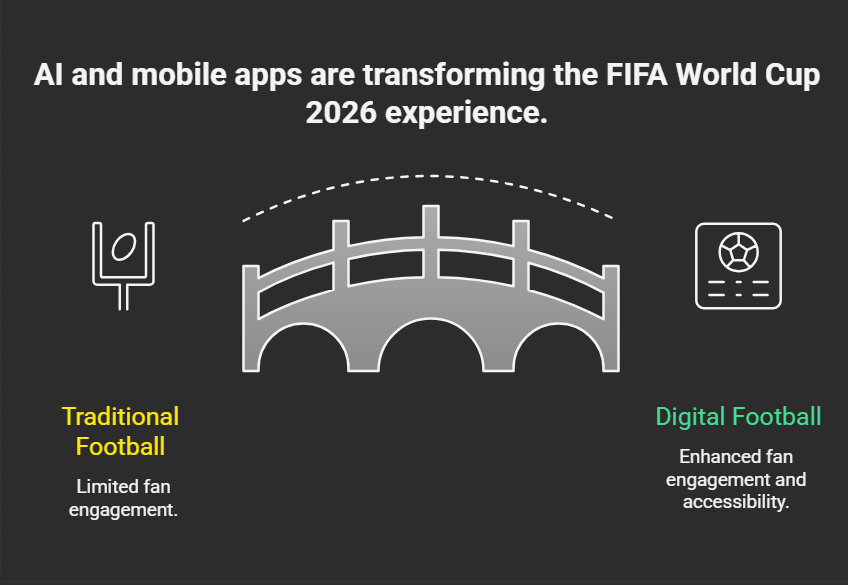
The Shift: From Apps to Experiences
Traditional sports apps gave us:
- Scores
- Fixtures
- Notifications
But World Cup 2026 demands more:
- Real-time predictive insights
- Immersive fan engagement
- AI-driven personalization
This is where Unity + AI becomes a game-changer.
Unity is no longer just a game engine—it’s an experience engine, and when fused with AI, it transforms mobile apps into living, evolving ecosystems.
Why Unity is the Backbone of World Cup-Scale Apps

Unity’s strength lies in its versatility:
1. Cross-Platform Power
Build once, deploy across:
- Android
- iOS
- AR/VR devices
For a global event like the World Cup, this is not optional—it’s essential.
2. Real-Time Rendering
Imagine:
- Live 3D match visualizations
- Stadium replicas in your pocket
- Player heatmaps rendered dynamically
Unity makes this possible with high-performance rendering pipelines.
3. AR/VR Integration
Fans won’t just watch matches—they’ll:
- Place a virtual stadium in their living room
- Recreate goals in augmented reality
- Experience matches from a player’s perspective
Unity is still the default choice for mobile-first and cross-platform development, which is critical for global events like World Cup 2026.
Where AI Steps In
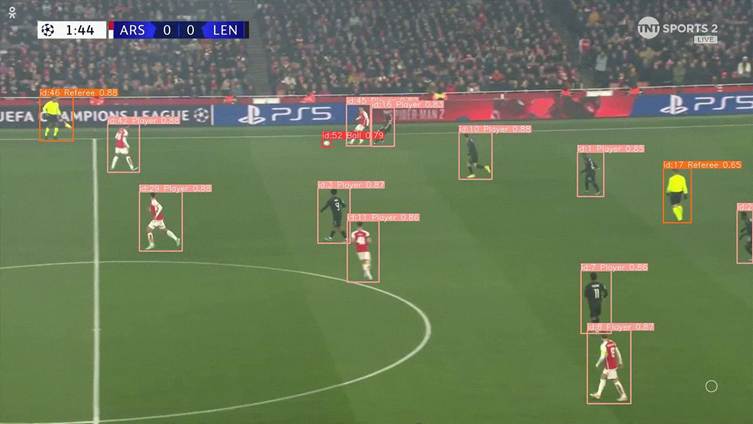
AI is the intelligence layer that brings these experiences to life.
1. Predictive Match Intelligence
Machine learning models can:
- Predict outcomes
- Analyze player performance
- Suggest tactics
Fans move from passive viewers to informed analysts.
2. Personalized Fan Journeys
AI tracks:
- Favorite teams
- Watching patterns
- Engagement behavior
Result:
Every user gets a custom World Cup experience
3. Computer Vision & Real-Time Tracking
Using camera feeds and AI:
- Player movements can be tracked
- Tactical overlays can be generated
- Highlights can be auto-created
The Unity + AI Architecture
Let’s break it down from a developer’s lens:
Frontend (Unity)
- UI/UX rendering
- 3D environments
- AR modules
Backend (AI + Cloud)
- Model inference (predictions, recommendations)
- Data pipelines (match stats, telemetry)
- Real-time APIs
Integration Layer
- REST/GraphQL APIs
- WebSockets for live updates
- Edge computing for low latency
This architecture ensures:
- Speed (real-time updates)
- Scalability (millions of users)
- Immersion (rich visuals + intelligence)
Use Cases for World Cup 2026 Apps
Here’s where things get exciting:
🔥 1. AI-Powered Match Companion
- Live stats + predictions
- Tactical suggestions
- Player comparison in real time
🧠 2. Smart Highlight Generator
- AI detects key moments
- Auto-generates reels
- Personalized highlight feeds
🕶️ 3. AR Fan Experience
- Scan your room → turn it into a stadium
- Watch goals in 3D replay
- Interact with virtual players
📊 4. Fantasy Football 2.0
- AI-driven team suggestions
- Real-time performance scoring
- Predictive transfers
The Hidden Infrastructure Behind the Game
While fans will experience the FIFA World Cup 2026 through immersive Unity-powered apps and AI-driven insights, there’s a deeper layer most never see—the infrastructure that makes it all possible.
Every real-time stat, every predictive model, every AR replay is powered by massive data pipelines flowing through global data centers. These are the silent engines behind modern sports technology.
And this is where the conversation shifts—from innovation to strategy.
“For decades wars were fought over oil fields. Today, in the digital economy, the strategic asset is data. If data is the new oil, then data centers are the new oil fields — and they are increasingly becoming targets in modern geopolitical conflicts.”
— Nehal Vyas
The Need for Secure Solutions
If data is the new oil, then security is no longer optional, it’s foundational.
For developers building Unity + AI-powered mobile apps for global events like the FIFA World Cup 2026, the challenge isn’t just performance or scalability, it’s resilience under pressure.
Why Security Matters More Than Ever
High-value targets: Global sporting events attract massive attention, not just from fans, but from malicious actors
Data sensitivity: User behavior, location data, and engagement patterns are constantly being collected
Real-time dependency: Even minor disruptions can impact millions of users simultaneously
Key Areas of Focus
- Secure Data Pipelines
End-to-end encryption for real-time data streams
Protection against interception and tampering
- AI Model Protection
Preventing model poisoning and adversarial attacks
Securing training datasets and inference endpoints
- Infrastructure Resilience
Multi-region cloud deployment
DDoS mitigation and failover strategies
- Edge Security for Low Latency
Secure edge nodes powering real-time experiences
Balancing performance with protection
Developer Mindset Shift
Security can no longer be an afterthought. It must be:
Designed into architecture from day one
Continuously tested and updated
Treated as a core feature, not a backend concern
My Perspective: Where Code Meets the Game
As a footballer, I’ve felt the intensity of the game—the unpredictability, the strategy, the emotion.
As a developer, I now see how we can:
- Model that unpredictability
- Simulate that strategy
- Amplify that emotion
And as a content writer, I understand how to translate that into experiences users actually connect with.
That’s the real power of Unity + AI.
Closing Insight
The FIFA World Cup 2026 will not just be watched—it will be experienced, personalized, and engineered.
Unity provides the canvas.
AI provides the intelligence.
Together, they’re redefining how the world engages with football.