The pressure to keep up with digital trends feels relentless. Most CEOs and CTOs, especially in startups, are asking: do we even need a website anymore? Our clients and customers all seem to be on mobile apps, scrolling through Instagram feeds, messaging on WhatsApp, and checking updates on Facebook. Can you really get by with just these platforms, or is your own website still the anchor point for a business? Let’s break it all down, get practical, and see what actually works in 2025.

Apps and social networks offer a toolkit for any business wanting to reach people fast. Instagram, Facebook, and WhatsApp make content, communication, and even sales almost instant. But what exactly do these platforms get right for businesses on the go?
Instant Customer Connection on Social Platforms
Social apps are built for quick interaction. You can chat with a customer on WhatsApp before they’ve even glanced at your email. Instagram takes brand updates and puts them at the top of follower’s feeds. Facebook Pages answer messages, send reminders, and even handle bookings in real time. This kind of speed makes people feel seen and heard. For small businesses, that’s golden.
Brand Storytelling and Community Building
Instagram Stories and Facebook Groups let brands share their day-to-day in ways a website can’t. You get the tools to post fresh videos, creative polls, and behind-the-scenes shots that pull people in. Followers reply, share stories of their own, and create a sense of belonging. A thriving Facebook Group or viral Instagram reel can feel like running the world’s best pop-up event, every day, on everyone’s phone.
Direct Sales and Support via Messaging Apps
WhatsApp and Facebook Messenger can now handle product catalogues, take orders, answer support questions, and automate routine replies using chatbots. Customers reach out while waiting for a bus, and get service on their terms. Selling and helping on messaging apps takes the friction out of buying decisions, from impulsive shopper to loyal fan.
Why Every Business Still Needs Its Own Website
So, what’s the point of a traditional business website if social and apps are so strong? Websites remain the only channel where you control every pixel, every word, and every piece of data. The risks and limitations of only using social platforms can catch you off guard.
For a thorough breakdown of where websites fit in the next couple of years, the article on the truth about websites in 2025 highlights how websites have shifted to business hubs driving growth, not just digital placeholders.
Control and Professional Appearance
A website is your own space. You pick the look, the features, and the exact mix of information. With social media, you’re at the mercy of ever-changing rules and layouts. Your business can look more serious, more respected, and more trustworthy with a .com or .co.uk that you fully control.
Winning on Google & Long-Term Discoverability
Even in 2025, the first stop for most customers is Google. They expect to find your website within seconds. A search for your brand that only pulls up a Facebook page or Instagram profile rarely feels complete to a potential client. If you want to win the battle for mindshare, you need a site built for SEO, not just a page stuck in someone’s feed.
Owning Data and Building Trust you
When your brand only lives on apps, you never own your customer lists or analytics. Algorithms shape who sees you, sometimes for a fee. Social networks can ban accounts or shadow-ban posts without notice. When build on your own website, you own your visitor data—and your entire business presence is less vulnerable to sudden changes.
A conversation on Reddit about the importance of having a website for new businesses shows how credibility, trust, and discoverability remain strong reasons to keep investment in your own site.
Integrating Websites with Apps and Social Channels for Maximum Impact
The magic isn’t in picking one channel. It’s about making all these tools work together, building a digital ecosystem that multiplies your reach and revenue.
Bridging Users from Social to Website
Link your Instagram bio to your latest homepage offer, run Facebook ad campaigns straight to your product pages, or set up WhatsApp auto-replies that direct users to deals on your website. Treat your site as the nerve centre that turns social interest into real action.
Syncing Content Across All Platforms
Use your website’s blog to fuel posts on Instagram and Facebook, or pull testimonials and images from your socials to keep your site fresh. This workflow brings people from every direction into your business funnel, no matter where they start. Publishing the same story across your website and social channels? Tailor it slightly, but keep the heartbeat of your message unchanged.
Creating a Seamless Brand Experience
Regardless of the entry point—app, site, or social—users expect a unified brand look and feel. Consistent visuals, tone of voice, and messaging means loyal customers trust you wherever they find you. It all feels like one great brand, not a patchwork of disconnected accounts.
Conclusion
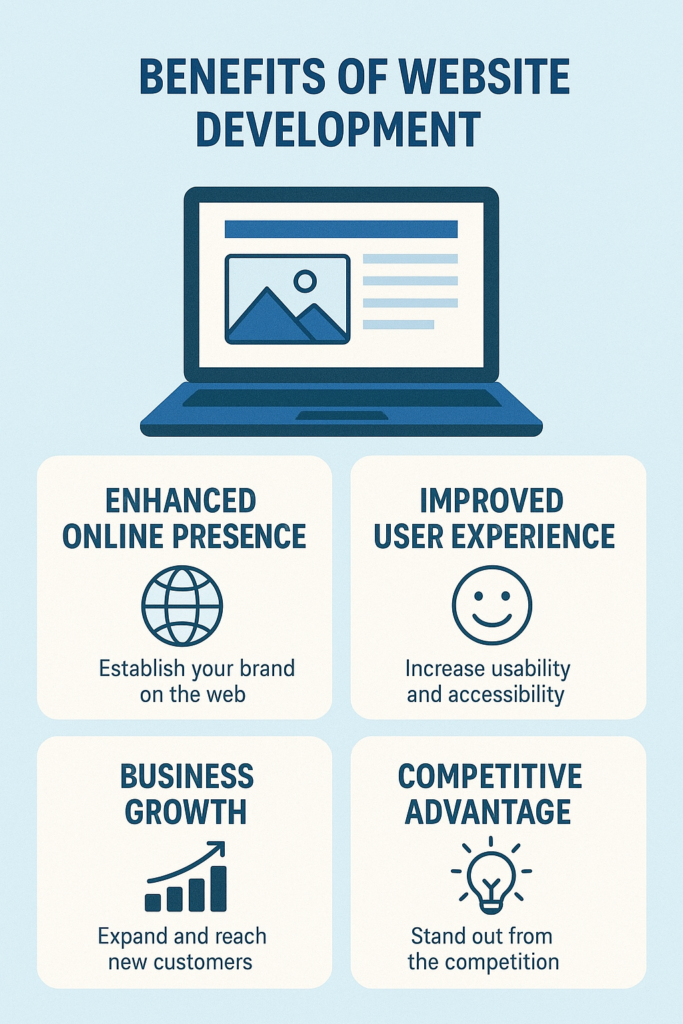
Mobile apps, Instagram, Facebook, and WhatsApp are business essentials, but they’re not replacements for your own website. Social channels create energy and instant interaction, but your site anchors your business for the long run. The brands winning today use every tool together, creating strong online identities that last beyond the next algorithm update.
For CEOs, CTOs, and startups planning for 2025 and beyond, now’s the time to review your current digital presence. Look at how apps, socials, and your website each work for you—then find ways to build your website as the linchpin that powers up social growth, not as an outdated luxury but a must-have business asset. Your next customer expects you to do both.